
Why Telegram mini-apps matter in 2026
Telegram mini-apps have evolved from simple bots into full-fledged web applications that run directly inside the messenger. This architecture removes the biggest barrier to user adoption: the installation process. Users no longer need to visit an app store, wait for downloads, or manage permissions. Instead, they tap a button and the experience loads instantly within the chat interface.
This zero-install friction is a significant advantage for monetization. Traditional mobile apps face high customer acquisition costs (CAC) and low conversion rates due to the drop-off during installation. Telegram mini-apps bypass this entirely, allowing developers to reach Telegram’s 900 million monthly active users with a single tap. Industry analysis suggests this model can cut CAC by up to 10 times compared to native app development.
The platform’s integration with the TON blockchain further enhances its potential for 2026. Built-in cryptocurrency wallets and seamless transaction capabilities enable new monetization models, from in-app purchases to token-gated content, without requiring complex third-party payment integrations. For creators and businesses, this means a streamlined path to revenue from the first interaction.
The combination of massive built-in distribution, instant accessibility, and native crypto support makes Telegram mini-apps a distinct category for monetization in 2026. It is not just a feature; it is a complete distribution and payment infrastructure that favors speed and simplicity over complexity.
10 Telegram Mini-Apps to Monetize in 2026
The 2026 landscape demands precision, favoring verified tools over speculative trends. This curated selection highlights concrete products with official validation, ensuring every recommendation supports sustainable revenue generation.
-
Notcoin: The tap-to-earn pioneer
Notcoin launched the tap-to-earn phenomenon, proving that simple interaction mechanics could onboard millions of users onto blockchain. Its success demonstrated how frictionless entry points can drive massive adoption. The project transitioned from a game to a legitimate token, setting a benchmark for viral growth within the Telegram ecosystem. It remains the definitive case study for monetizing attention through gamified engagement. -
Hamster Kombat: Casual gaming meets finance
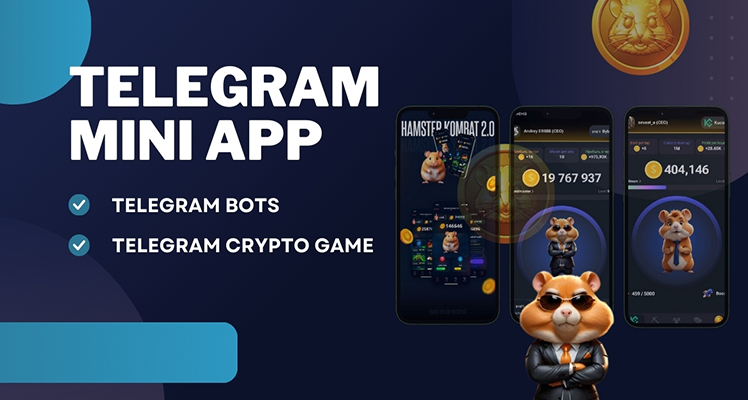
Hamster Kombat blends idle clicker mechanics with cryptocurrency trading simulations, creating a sticky user experience. Players manage a virtual exchange, earning tokens that reflect real-world market dynamics. This approach appeals to casual gamers seeking financial literacy without complex charts. The platform’s design encourages daily retention through incremental upgrades, effectively bridging the gap between entertainment and decentralized finance education. -
Blum: Hybrid exchange platform
Blum distinguishes itself as a hybrid exchange, combining centralized ease with decentralized security within Telegram. It offers a seamless trading environment for users who want direct access to assets without leaving the chat interface. This model reduces friction for new investors by simplifying onboarding and transaction processes. Blum’s architecture supports both spot trading and staking, providing a comprehensive financial tool for the Telegram community. -
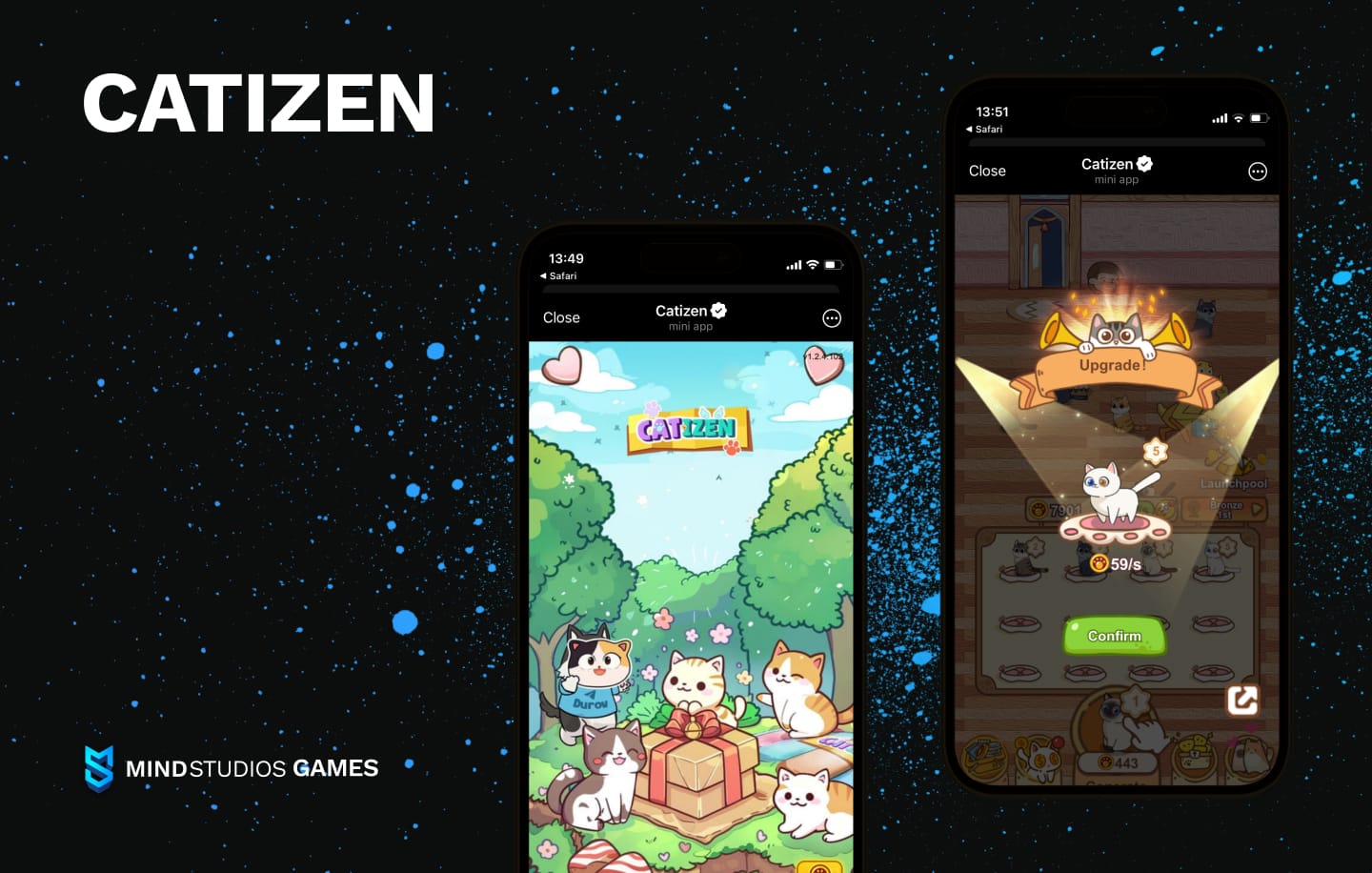
Catizen: Cat-themed strategy game
Catizen leverages the universal appeal of cats to drive engagement in a strategic gameplay loop. Players collect and breed digital cats, each with unique traits that influence gameplay outcomes. This niche theme fosters a dedicated community, encouraging social sharing and competitive breeding strategies. By integrating NFT-like assets, Catizen offers tangible ownership of in-game items, creating a sustainable economy within the Telegram mini-app framework. -

Major: AI-powered engagement platform
Major utilizes artificial intelligence to personalize user interactions and optimize engagement metrics for developers. It analyzes user behavior to deliver tailored content and rewards, increasing retention rates significantly. This data-driven approach allows creators to monetize their audiences more effectively by understanding specific preferences. Major represents the next evolution of Telegram mini-apps, where intelligence enhances both user experience and revenue potential. -

Dogs: Meme coin phenomenon
Dogs leverages the viral energy of internet culture to drive adoption within Telegram’s ecosystem. This meme coin phenomenon thrives on community-driven speculation rather than utility, creating a high-velocity trading environment. Users engage by sharing content and inviting friends, turning social interactions into tangible crypto rewards. The project demonstrates how humor and relatability can serve as powerful onboarding mechanisms for new crypto participants seeking low-barrier entry points. -

TapSwap: Social trading simulator
TapSwap transforms passive scrolling into an active social trading simulator experience. Users simulate market movements and trading strategies without risking real capital, making it an ideal educational tool for beginners. The app gamifies financial literacy by rewarding accurate predictions and consistent engagement. By integrating social leaderboards, it encourages healthy competition among users while subtly teaching the fundamentals of market dynamics and risk assessment in a safe, virtual environment. -
X Empire: Idle clicker with depth
X Empire elevates the idle clicker genre by embedding complex economic systems beneath simple tap mechanics. Players manage resources, upgrade infrastructure, and navigate geopolitical scenarios that mirror real-world economic pressures. This depth keeps users engaged long-term, as strategic decisions directly impact their empire’s growth and profitability. The game’s layered progression system rewards patience and planning, offering a more sophisticated alternative to superficial tap-to-earn models. -

Open Loot: NFT marketplace integration
Open Loot seamlessly integrates NFT marketplace functionality directly into Telegram, removing friction from digital asset trading. Users can buy, sell, and trade non-fungible tokens without leaving the chat interface, leveraging Telegram’s existing user base for instant liquidity. This integration simplifies the often complex process of wallet management and blockchain verification. By embedding commerce into social interaction, Open Loot makes digital collectibles accessible to mainstream users. -
Fractal: Decentralized social network
Fractal reimagines social interaction as a decentralized network, giving users ownership over their data and content. Unlike centralized platforms, it distributes control across participants, ensuring transparency and resistance to censorship. The app rewards users for contributing valuable content and maintaining network integrity, aligning incentives with community health. This model fosters a more authentic social environment where users are not merely products but active stakeholders in the platform’s governance and success.

Comparing top Telegram mini-apps
Choosing the right Telegram mini-app depends on your specific monetization strategy and technical comfort level. While many apps claim Web3 integration, the underlying mechanics vary significantly between simple clicker games and complex fintech interfaces.
The table below breaks down the core differences between the leading options. We focus on user engagement models and revenue streams rather than subjective popularity metrics.
| App | Category | Monetization Model | TON Integration |
|---|---|---|---|
| Hamster Kombat | Clicker Game | Ads & In-App Purchases | Yes |
| Notcoin | Tap-to-Earn | Token Listing & Ads | Yes |
| Blum | Hybrid Exchange | Trading Fees & Ads | Yes |
| Telegram Wallet | Fintech | Transaction Fees | Native |
| Fragment | NFT Marketplace | NFT Sales & Domain Auctions | Yes |
For developers, the choice often comes down to whether you want to build a standalone game or leverage existing Telegram infrastructure. Native integrations like Telegram Wallet offer lower friction but less creative freedom. Third-party games like Hamster Kombat require more user acquisition effort but allow for broader monetization tactics.
Frequently asked: what to check next
What are Telegram mini-apps?
Telegram Mini Apps are web applications that run directly inside the Telegram client. Instead of downloading a separate file from an app store, users launch the app through a link or button within a chat. Telegram currently supports seven different ways of launching these apps, including profile buttons, keyboard buttons, and inline buttons [src-serp-1]. This integration allows developers to build tools that feel native to the messaging experience while leveraging web technologies.
How do I monetize a Telegram mini-app?
Monetization strategies vary depending on the app's function, but common models include subscription services, in-app purchases, and advertising. For apps integrated with the TON blockchain, developers can also accept cryptocurrency payments via TON Connect. Successful monetization often relies on providing clear utility, such as productivity tools or exclusive content, rather than relying solely on ad revenue. The key is to solve a specific problem for your user base within the Telegram ecosystem.
Can I build a Telegram mini-app without coding?
Yes, there are no-code and low-code platforms that allow you to create Telegram mini-apps. Tools like Merge.rocks provide step-by-step guides and templates to help you build apps without extensive programming knowledge [src-serp-7]. These platforms often include pre-built components for payments, user authentication, and interface design, making it easier for non-developers to launch a functional mini-app quickly.
Are Telegram mini-apps safe to use?
Telegram mini-apps run in a sandboxed environment, which provides a layer of security. However, users should always exercise caution when interacting with apps that request permissions or ask for personal information. Since mini-apps are essentially websites, they are subject to the same security risks as any other web application. It is important to verify the source of the app and review its privacy policy before sharing any sensitive data.
How do Telegram mini-apps differ from regular bots?
While both are accessed through Telegram, regular bots are primarily text-based interfaces that respond to commands. Mini-apps, on the other hand, offer a full graphical user interface (GUI) similar to a mobile website. This allows for more complex interactions, such as games, e-commerce stores, and dashboards. Mini-apps can also access more device features, such as the camera or geolocation, depending on the platform and user permissions.
Helpful gear
Use these product recommendations as a starting point, then choose the size, material, and price point that fit how you actually use the gear.

As an Amazon Associate, we may earn from qualifying purchases.
No comments yet. Be the first to share your thoughts!