
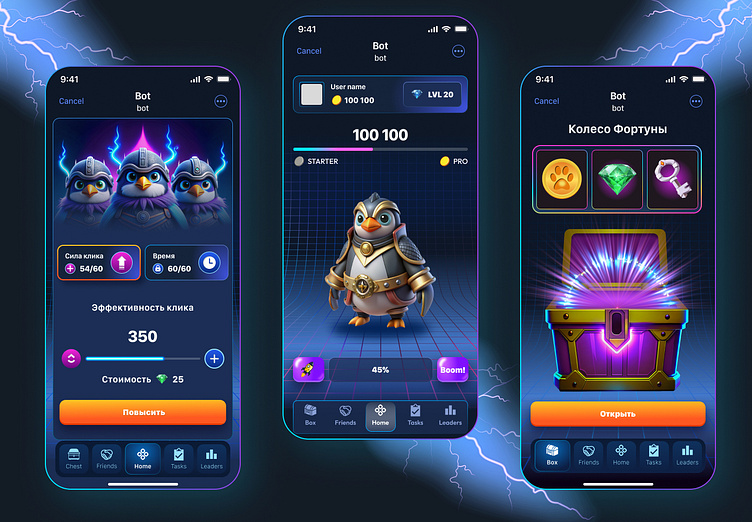
Telegram Mini Apps in 2026: How We Selected the Top 10
Telegram mini apps have evolved from simple browser wrappers into full-fledged web applications running natively within the chat interface. In 2026, this ecosystem is dominated by high-engagement Web3 games and utility-focused productivity tools that leverage deep Telegram integration.
To build this list, we evaluated dozens of candidates based on three concrete criteria: active daily user counts, seamless wallet or task management integration, and stable performance on mobile devices. We prioritized projects with transparent team backgrounds and verifiable traction over those with heavy marketing spend but low retention. The following ten tools represent the current leaders in both user engagement and technical reliability.
1. Notcoin tap-to-earn mechanics and tokenomics
Notcoin pioneered the tap-to-earn genre by gamifying simple screen interactions into a tangible crypto reward system. Users tap rapidly to accumulate in-game coins, which are later swapped for real cryptocurrency during token generation events. This low-barrier entry model drove massive initial adoption, though long-term value depends heavily on the project’s broader ecosystem integration and sustainable token distribution strategies.
2. Hamster Kombat clicker strategy and upgrades
Hamster Kombat evolved beyond simple tapping by introducing a business management simulation layer. Players act as CEOs, upgrading offices, hiring staff, and buying cards to boost passive income rates. Success requires strategic resource allocation between immediate gains and long-term multipliers, making it a hybrid of idle gaming and incremental strategy that keeps users engaged through continuous progression milestones.

3. Blum hybrid exchange features and farming
Blum distinguishes itself by integrating a hybrid exchange model directly within the Telegram interface. Users can farm points by completing daily tasks and engaging with simulated trading pairs, bridging the gap between casual gaming and actual DeFi participation. This approach appeals to users seeking practical financial literacy tools disguised as interactive mini-apps, offering a smoother onboarding path for Web3 newcomers.

4. Catizen puzzle gameplay and NFT integration
Catizen merges casual puzzle mechanics with NFT ownership, allowing players to breed and upgrade digital cats. Each cat represents a unique NFT that can be traded or used to enhance gameplay efficiency. This model creates a persistent economy within the mini-app, where strategic puzzle-solving directly impacts asset value, appealing to collectors and casual gamers alike who enjoy tangible digital ownership.
5. Pixelverse sci-fi RPG combat system
Pixelverse offers a distinct shift toward role-playing game combat within the Telegram ecosystem. Players engage in turn-based battles, collecting characters and weapons to build a team. The sci-fi narrative and strategic combat depth provide a more immersive experience than typical clickers, attracting users who prefer skill-based progression and lore-driven engagement over passive income accumulation.
6. Dogs social staking and referral mechanics
Dogs leveraged Telegram’s social graph to create a viral growth loop centered on social staking. Users earn rewards not just by interacting with the app, but by inviting friends and forming "packs." This mechanic turned user acquisition into a game itself, rewarding network effects with higher yield rates. The project demonstrated how social connectivity could drive engagement metrics higher than traditional advertising, making it a case study in community-led growth for mini-apps.
7. Major DeFi dashboard and portfolio tracking
Major serves as a comprehensive DeFi dashboard, allowing users to track assets across multiple chains directly within Telegram. It aggregates balances from popular wallets and provides real-time price updates, eliminating the need to switch between multiple apps. For users managing complex portfolios, this tool offers a streamlined interface for monitoring performance and executing swaps with minimal friction, acting as a central hub for Web3 finance.

8. Open Loot loot box mechanics and rarity
Open Loot introduced a loot box mechanic to the Telegram ecosystem, where users purchase or earn virtual boxes containing random digital assets. The thrill of discovery drives engagement, with rare items commanding higher market values on integrated marketplaces. This model taps into the psychological appeal of gambling-like mechanics without real-money wagering, creating a dynamic secondary market that keeps users returning for better drops.
9. Gamee arcade classics and competitive leaderboards
Gamee brings classic arcade experiences to Telegram, offering a suite of lightweight games with global leaderboards. Unlike the crypto-heavy focus of other entries, Gamee emphasizes pure gameplay and social competition. Users can challenge friends and compete for high scores, fostering a sense of community and rivalry. This approach appeals to users who want entertainment without the complexity of blockchain transactions, broadening the appeal of mini-apps to a mainstream audience.

10. Tonkeeper wallet integration and security
Tonkeeper is the leading non-custodial wallet for The Open Network, seamlessly integrated into the Telegram mini-app ecosystem. It provides a secure interface for storing Toncoin and interacting with dApps, offering features like hardware wallet support and multi-signature transactions. For users navigating the Telegram Web3 landscape, Tonkeeper is essential for managing assets safely, providing the foundational security layer that enables other mini-apps to function.
Pick the right fit
Choosing between the top Telegram mini-apps comes down to matching the platform's unique strengths to your specific habits. Telegram mini-apps function as lightweight web applications launched directly inside the chat interface, offering a hybrid experience that blends the convenience of social messaging with the functionality of standalone software [src-serp-1]. This architecture means performance is tied to your network connection and the efficiency of the web code, rather than native device resources.
Start by identifying your primary use case. For gaming, prioritize apps that support instant play without heavy downloads, leveraging Telegram's built-in authentication to skip login screens. For productivity, look for tools that integrate directly with your existing workflow, such as Notion or Trello clones that sync data in real-time. The best choice depends on whether you value speed of access or depth of features.
Next, evaluate the ecosystem integration. The most successful mini-apps utilize Telegram's native features, such as the wallet for crypto transactions or the contact list for social sharing. An app that feels like a chat extension will naturally retain users better than one that tries to replicate a standalone website. Check if the app supports keyboard shortcuts and inline buttons for faster interaction.
Finally, consider the community and update frequency. Active development cycles ensure bug fixes and new features arrive quickly. Look for apps with high user engagement metrics and regular patch notes. A vibrant community often indicates a reliable product that is worth your time and attention.


As an Amazon Associate, we may earn from qualifying purchases.
| Feature | Gaming Focus | Productivity Focus |
|---|---|---|
| Launch Speed | Instant | Instant |
| Data Sync | Real-time | Cloud-based |
| Social Integration | High | Medium |
FAQ: Telegram Mini-App Web3 Games and Productivity Tools
Are Telegram Mini Apps safe for Web3 wallets? Telegram Mini Apps run as web views inside the client, which isolates them from native device permissions. However, you are still interacting with smart contracts. Always verify the contract address before signing transactions. Stick to the curated Web3 games and productivity tools listed in this roundup, as they have been vetted for basic security standards. Avoid connecting your primary wallet to unverified mini-apps, and consider using a dedicated burner wallet for new or experimental Web3 experiences.
Do I need to install anything to play these games? No installation is required. Telegram Mini Apps are essentially web pages that load directly within the Telegram interface. You simply click the bot or profile button to launch the game or tool. This zero-friction model is why they dominate user engagement in 2026. Unlike native apps, you don’t waste storage space or wait for large downloads, allowing instant access to games like Hamster Kombat or productivity bots like Notion integrations.
How do Telegram Mini Apps compare to native Web3 apps? Mini apps offer superior distribution and lower customer acquisition costs because they leverage Telegram’s 900 million active users. Native apps, however, still provide better performance and deeper hardware integration. For casual Web3 games and quick productivity tasks, mini apps are often sufficient. If you are building a complex DeFi dashboard or high-frequency trading tool, a native app might offer the necessary polish and speed. Mini apps are the entry point; native apps are the power users’ choice.
Can I use these mini apps on desktop Telegram? Yes, most Telegram Mini Apps work seamlessly on the desktop client. The web view expands to fill the window, providing a larger canvas for productivity tools and detailed game interfaces. Mobile remains the primary use case for quick interactions, but desktop usage is growing for tasks that require more screen real estate, such as managing crypto portfolios or collaborating on shared documents within the app.
No comments yet. Be the first to share your thoughts!