
Telegram mini-apps 2026: How we picked the winners
Telegram mini-apps have shifted from simple utility tools to major revenue engines. By 2026, the most successful apps combine seamless Telegram integration with sustainable crypto tokenomics. We evaluated ten projects based on daily active users, transparent revenue models, and technical stability.
Our selection process prioritized apps that demonstrate genuine viral growth rather than short-term hype. We filtered out projects with opaque token distributions or those relying solely on referral spam. Each entry below represents a distinct category of engagement, from decentralized exchanges to play-to-earn games.
These apps leverage Telegram’s native API for authentication and payments, reducing friction for new users. We focused on projects that offer clear value propositions and maintain active development cycles. The following list highlights the most promising opportunities for developers and investors alike.
10 Telegram Mini-Apps Driving Crypto Revenue in 2026: A Developer's guide to Viral Growth
These ten Telegram mini-apps leverage native wallet integration and social virality to generate significant crypto revenue in 2026. This guide breaks down their technical architectures and growth loops, offering actionable insights for developers aiming to replicate their success.
1. Notcoin tap-to-earn mechanics and user retention
Notcoin pioneered the tap-to-earn model, proving that frictionless interaction drives mass adoption. Its viral loop relied on simple mechanics that required zero crypto knowledge, creating a massive user base before the token launch. This approach demonstrated how low-barrier entry points can sustain engagement in Telegram Mini-Apps, setting a precedent for subsequent viral growth strategies in the Web3 gaming sector.
2. Hamster Kombat tokenomics and exchange listings
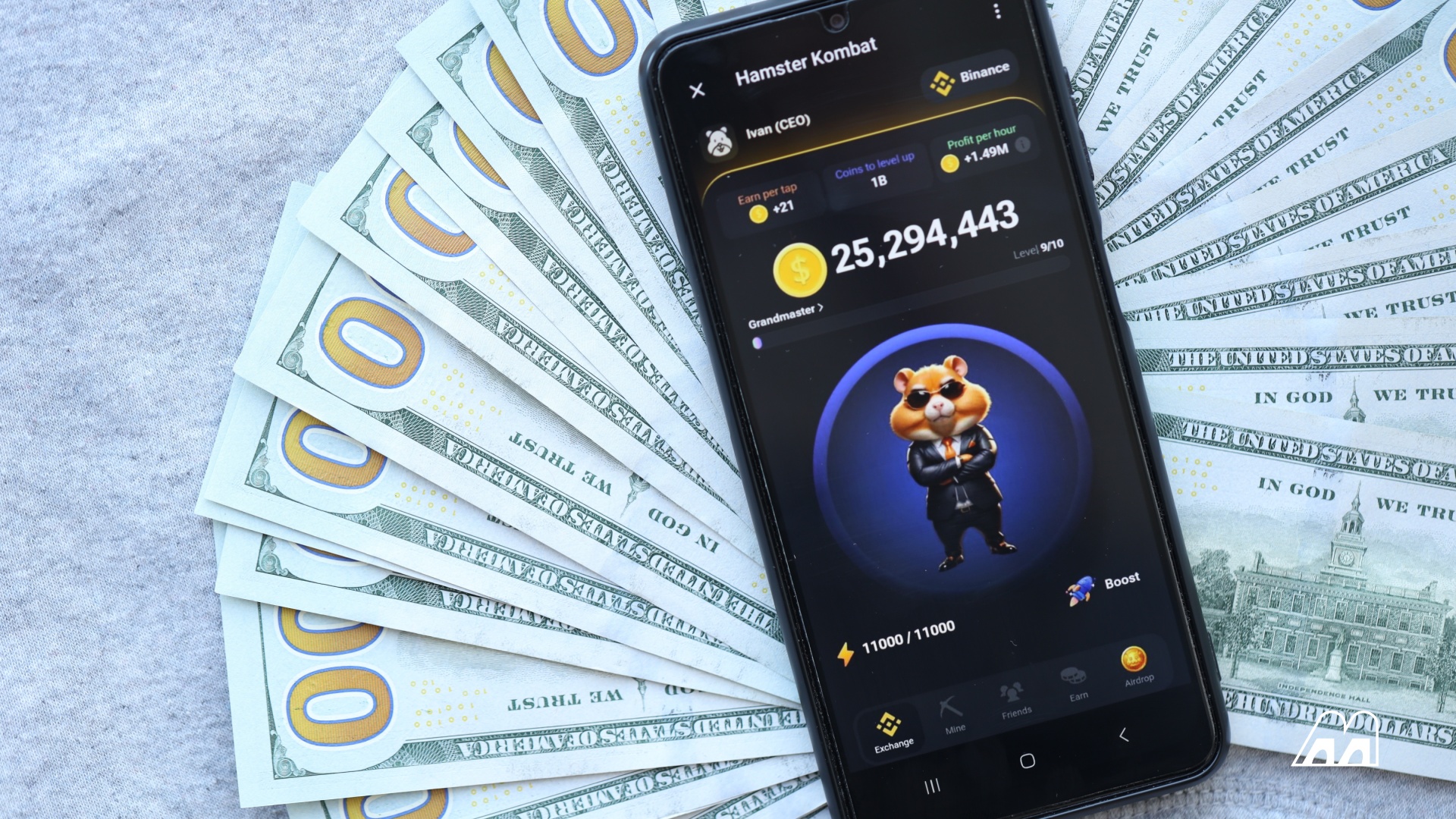
Hamster Kombat shifted focus from pure tapping to a management simulation, introducing complex tokenomics that tied user activity to exchange listings. By gamifying the path to liquidity, it incentivized users to invite friends and complete tasks, effectively turning the user base into a marketing engine. This model highlights the importance of aligning in-game progression with tangible financial outcomes to maintain long-term interest.

3. Blum hybrid exchange model and liquidity
Blum distinguishes itself by integrating a hybrid exchange model directly within the Telegram environment, bridging gaming and trading. This approach allows users to earn tokens through gameplay while providing immediate utility via liquidity pools. By combining entertainment with financial functionality, Blum addresses the common pain point of post-game token utility, offering a more sustainable economic model for its users.

4. Catizen pet simulation and NFT integration
Catizen introduces a pet simulation layer where users adopt and train digital cats, integrating NFT mechanics to create unique digital assets. This adds a layer of ownership and rarity to the gameplay, encouraging users to invest time in breeding and upgrading their pets. The NFT integration provides a secondary market for digital collectibles, enhancing user retention through personalized asset management and strategic gameplay elements.

5. Pixelverse battle arena and play-to-earn rewards
Pixelverse offers a battle arena experience where players compete in strategic combat to earn cryptocurrency rewards. This play-to-earn model emphasizes skill-based competition, distinguishing itself from passive earning games. By rewarding active participation and strategic decision-making, Pixelverse attracts a more engaged user base interested in competitive gaming, while still leveraging Telegram's accessibility for seamless entry and participation.

6. TapSwap liquidity pool and staking features
TapSwap distinguishes itself by integrating deep liquidity pool mechanics directly into the Telegram interface, allowing users to stake tokens for yield rather than just tapping. This approach transforms passive engagement into active portfolio management, appealing to users seeking tangible financial returns beyond simple point accumulation. The seamless integration of DeFi primitives within a mini-app reduces friction for new crypto adopters.

7. Yescoin puzzle solving and daily active users
Yescoin shifts the focus from repetitive tapping to cognitive engagement through intricate puzzle-solving challenges that reward consistent daily participation. This mechanic fosters higher retention rates as users return to solve complex levels, driving up daily active user metrics significantly. The game’s design encourages strategic thinking, creating a loyal community that values mental stimulation over mindless clicking.

8. X Empire clicker strategy and upgrade paths
X Empire offers a sophisticated clicker experience with multiple upgrade paths, allowing players to customize their progression through strategic resource allocation. Users can choose between rapid expansion or defensive fortification, creating diverse gameplay styles within the same ecosystem. This flexibility keeps the experience fresh, encouraging long-term engagement as players optimize their unique strategies for maximum efficiency.
9. Major social trading platform and community growth
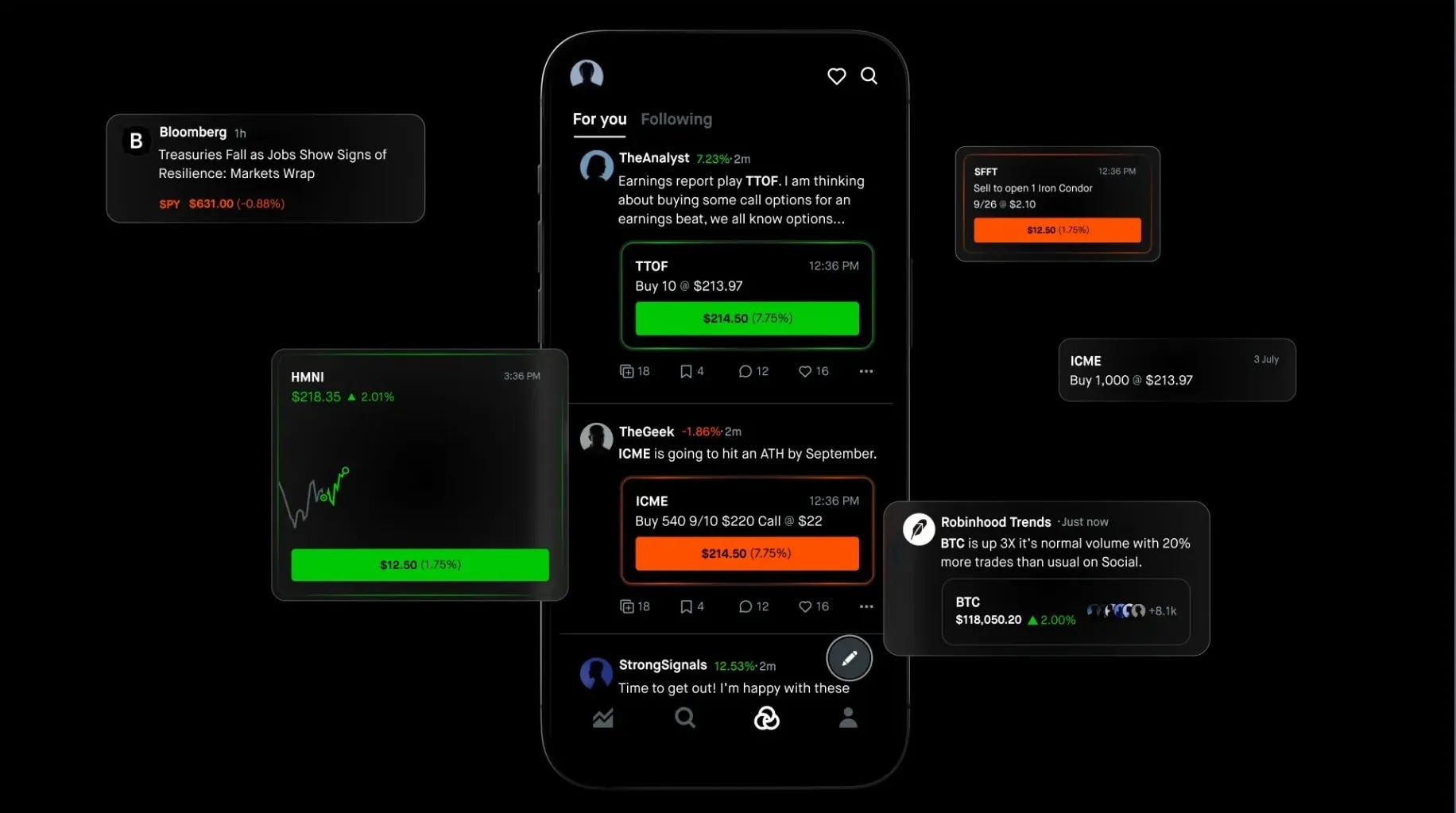
This platform leverages Telegram’s social infrastructure to build a robust community-driven trading environment, where users share insights and trade signals in real-time. The emphasis on community growth creates a network effect that attracts both novice and experienced traders. By integrating social features with trading tools, it fosters trust and collaboration, driving organic user acquisition through peer recommendations.
10. Frenpet virtual pet ecosystem and engagement loops
Frenpet captivates users with a virtual pet ecosystem that utilizes sophisticated engagement loops, requiring consistent care and interaction to maintain pet health and happiness. This emotional connection drives daily logins and sustained platform usage, creating a sticky user base. The gamification of pet care adds a layer of personal investment, making the experience more rewarding than traditional point-based systems.

Pick the right fit
Choosing a Telegram Mini-App development stack isn't about finding the most popular framework; it's about matching your technical strengths to the platform's constraints. Telegram Mini Apps are essentially web apps running inside a specific browser environment, which means your choice of frontend, backend, and wallet integration will dictate how fast you can launch and how well users stick around.
React and Vue are the dominant choices here because the Telegram Web Apps SDK is heavily optimized for them. React offers a vast ecosystem of UI kits like Ant Design or MUI that adapt quickly to Telegram's dark mode and theming. If your team is smaller, Vue's simpler reactivity model can speed up initial prototyping. Avoid heavy, unoptimized frameworks that bloat the initial load time, as users expect instant interaction.
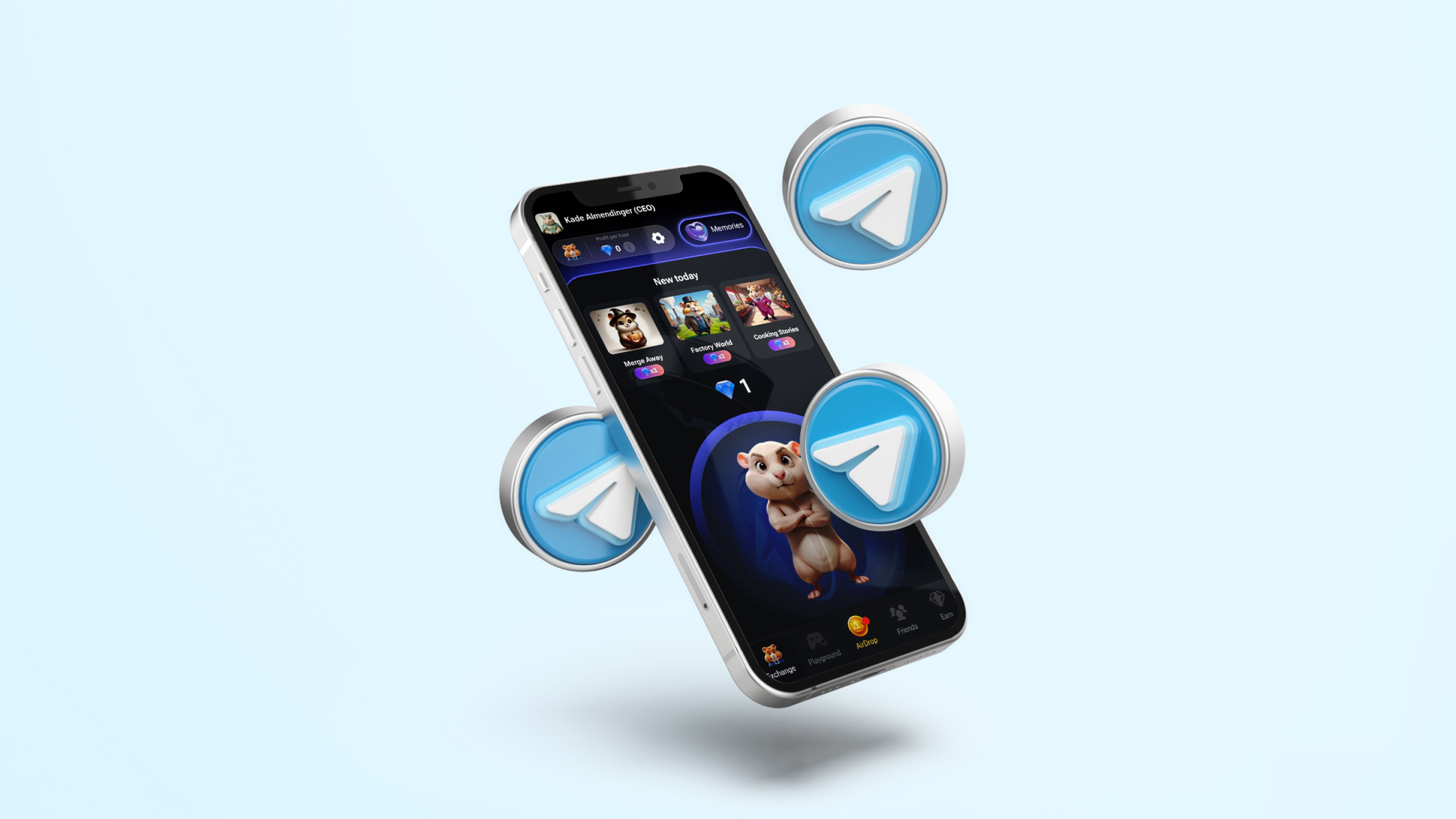
For crypto revenue, wallet connectivity is non-negotiable. You need to decide between using the official TON Connect SDK for native TON blockchain interactions or integrating a multi-chain solution like WalletConnect v2 if you plan to support Ethereum or Solana assets later. TON Connect is the standard for Mini Apps and offers the smoothest onboarding experience for users already in the Telegram ecosystem. Ensure your wallet choice supports the specific token standards you plan to use.
Telegram provides a native UI kit that mimics the messaging app's look and feel. Using this kit reduces friction because users don't have to learn a new visual language. It handles everything from button styles to color themes automatically. If you build a custom UI, you risk alienating users who expect the familiar Telegram aesthetic. Stick to the native components for buttons, headers, and lists to maintain a seamless experience.
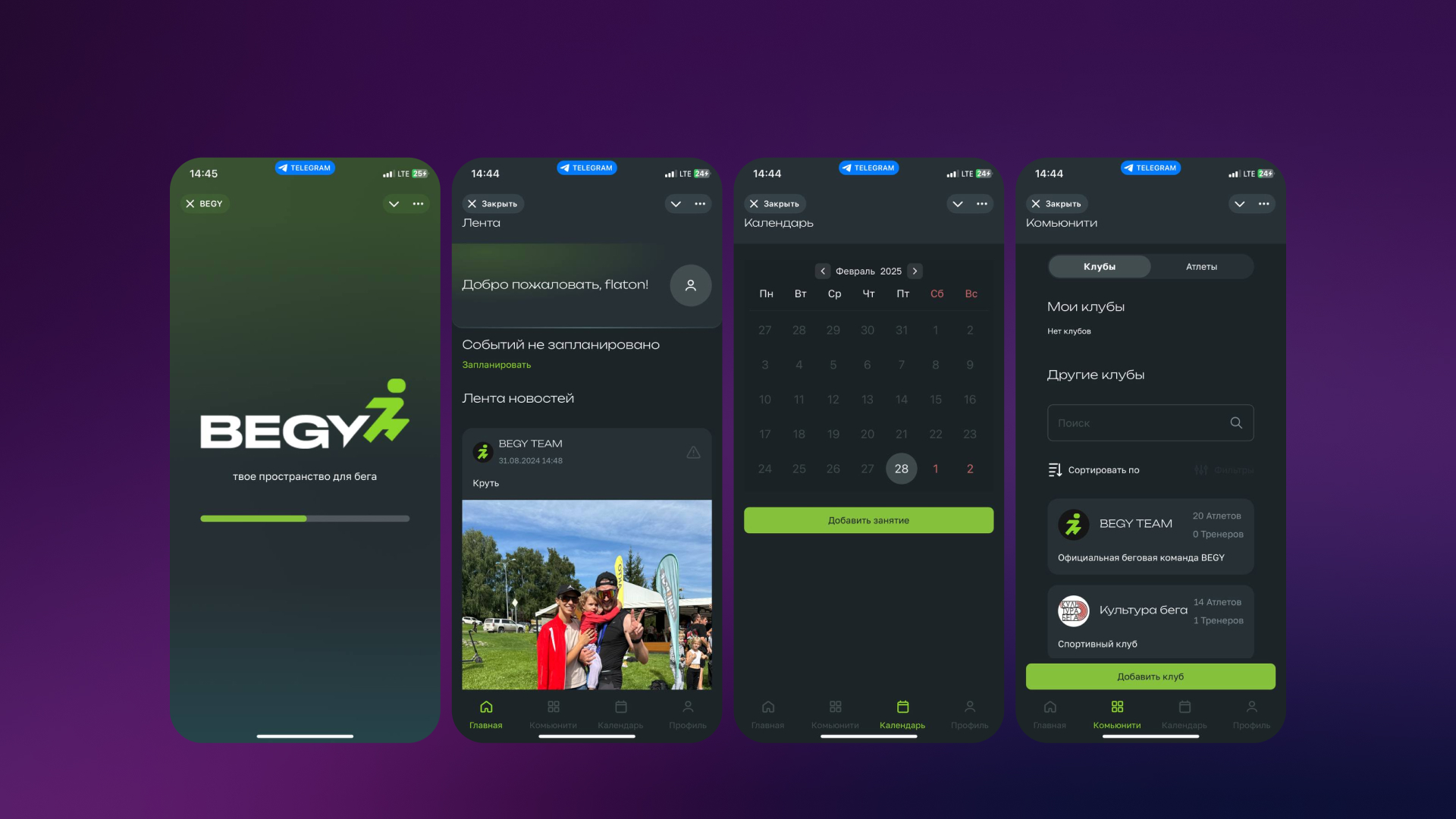
Emulators and desktop browsers do not fully replicate the Telegram Mini App environment. You must test your app on actual iOS and Android devices within the Telegram app. Issues with keyboard handling, haptic feedback, and native button placement often only appear on real hardware. Use the Telegram Developer Bot to preview your app directly in the chat interface. This catches critical UX bugs before you commit to a public launch.
| Feature | TON Connect | WalletConnect |
|---|---|---|
| Primary Chain | TON | Multi-chain |
| Onboarding Speed | Fast (native) | Slower (QR/redirect) |
| Ecosystem Fit | High for Mini Apps | Broad but external |

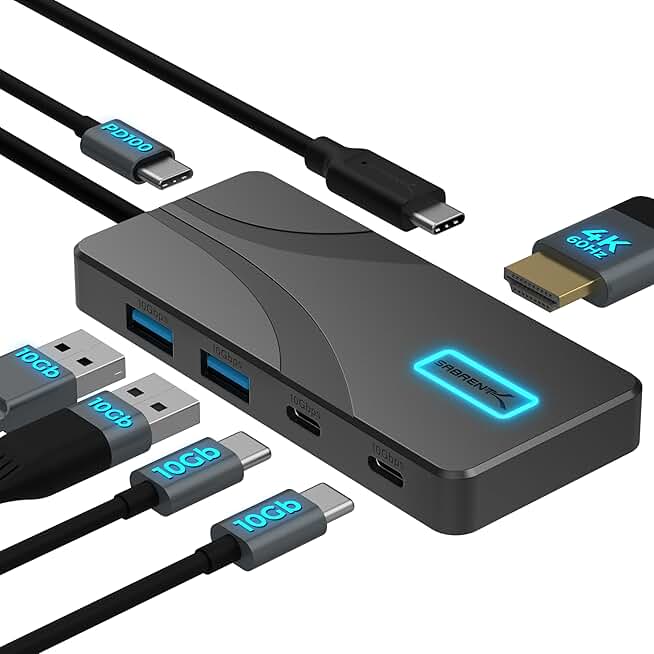

As an Amazon Associate, we may earn from qualifying purchases.
The best choice depends on your target audience. If you are building purely for the TON ecosystem, TON Connect is the clear winner. If you envision a broader crypto utility, WalletConnect offers more flexibility at the cost of a slightly more complex user journey. Prioritize the path of least resistance for your users; in the Mini App space, friction kills virality.
FAQ: 10 Telegram Mini-Apps Driving Crypto Revenue in 2026
How do developers monetize Telegram Mini-Apps in 2026?
The most effective models combine in-app purchases, transaction fees, and native advertising. Developers build revenue by integrating crypto wallets directly into the app interface, allowing users to swap tokens or stake assets without leaving Telegram. Additionally, many successful apps use a freemium model where basic features are free, but premium analytics or advanced trading tools require a subscription or token payment.
Are Telegram Mini-Apps safer than standalone crypto wallets?
Mini-Apps operate within Telegram’s sandboxed environment, which reduces the risk of malware but introduces platform dependency. Security largely depends on the developer’s implementation of smart contracts and key management. Users should verify the app’s source code if possible and only connect wallets they are willing to risk. Telegram does not guarantee the financial integrity of third-party apps, so due diligence remains essential.
What is the technical requirement for launching a Mini-App?
A Mini-App is essentially a web application that runs inside Telegram’s WebView. Developers need a frontend (React, Vue, or plain HTML/JS) and a backend to handle API requests. The app must be hosted on a secure server with an SSL certificate. Telegram provides a JavaScript SDK to handle user authentication, window resizing, and theme integration, making the development process similar to building a standard responsive website.
How do Mini-Apps drive viral growth compared to traditional apps?
Viral growth in Telegram comes from its social graph and lack of friction. Users can share Mini-Apps directly in chats, groups, and channels with a single click. Unlike traditional app stores, there is no download or installation step. This "click-to-play" or "click-to-use" mechanic significantly lowers the barrier to entry, allowing crypto projects to onboard users instantly through social sharing and referral incentives.
Can Mini-Apps handle complex DeFi interactions?
Yes, modern Mini-Apps can handle complex DeFi interactions such as liquidity provision, yield farming, and NFT minting. However, performance can be limited by the WebView’s memory constraints. For heavy computations or large data sets, developers often offload processing to a backend server and only render the UI within the Mini-App. This architecture ensures a smooth user experience even during high network congestion.
No comments yet. Be the first to share your thoughts!