
Why Telegram mini-apps matter in 2026
The landscape for Telegram mini-apps 2026 has shifted from experimental novelty to core infrastructure. With over 900 million users globally, Telegram has carved out a distinct niche where 500 million of those users engage directly within the app's ecosystem. This isn't just a large user base; it is a captive audience that rarely leaves the platform to download separate native applications.
This density creates a unique value proposition for developers and businesses. The friction of app store downloads, account creation, and payment setup is eliminated. Users can complete transactions, play games, or manage services with a single tap. The mini-app acts as a lightweight browser window that feels native, leveraging Telegram's existing authentication and identity systems.
The shift toward in-chat experiences means that utility is now embedded in conversation. Instead of directing traffic to a separate website or app, services reside where the user is already active. This integration drives higher engagement rates and conversion efficiency, making Telegram mini-apps a critical channel for 2026 digital strategies.
No-code builders for quick launches
If you need to launch Telegram mini-apps 2026 without hiring a dedicated engineering team, no-code platforms are the fastest path to production. These tools let you build, test, and deploy web apps directly inside Telegram using visual editors and pre-built components. You can focus on user experience and monetization rather than wrestling with backend infrastructure.
Telega.io
Telega.io is a leading platform designed specifically for Telegram mini-apps. It offers a drag-and-drop interface that makes it easy to create interactive experiences, from simple bots to complex e-commerce stores. The platform handles the technical heavy lifting, including hosting and security, so you can get your app live in minutes. It also provides built-in analytics and monetization options, making it a strong choice for businesses looking to maximize engagement.
MiniAppsBuilder
MiniAppsBuilder is another powerful option for creating Telegram mini-apps 2026 without writing code. It provides a comprehensive suite of tools, including a visual editor, template library, and integration with popular payment gateways. The platform is known for its ease of use and flexibility, allowing you to customize every aspect of your app. It also offers robust support and documentation, making it a reliable choice for both beginners and experienced developers.
Comparison of Top No-Code Builders
Choosing the right no-code builder depends on your specific needs, budget, and technical requirements. The table below compares key features of the top platforms to help you make an informed decision.
| Platform | Pricing | TON Integration | Export Options |
|---|---|---|---|
| Telega.io | Free tier available | Yes | Web URL |
| MiniAppsBuilder | Subscription-based | Yes | Web URL |
Web3 and TON blockchain integration tools
Building Web3 features into your Telegram mini-apps 2026 strategy requires connecting to the TON blockchain, which is Telegram’s native ecosystem. This integration allows users to send and receive cryptocurrency without leaving the chat interface. The most critical component for this is a wallet provider that handles authentication and transaction signing.
WalletConnect and TonConnect
TonConnect is the standard SDK for integrating TON wallets into Telegram mini-apps. It supports major wallets like Tonkeeper, allowing users to connect their accounts with a single click. This seamless connection is essential for any app handling crypto payments or NFTs. For broader multi-chain support, WalletConnect remains a reliable option, though it requires more complex setup within the Telegram environment.
Crypto Payment Gateways
To accept payments, developers rely on gateways like CryptoBot or PayMaster. These tools simplify the process of receiving TON or USDT payments. They handle the conversion and settlement, allowing you to focus on the user experience rather than blockchain mechanics. For instance, CryptoBot offers a straightforward API for creating invoices directly within Telegram.
NFT and Token Integration
Beyond simple payments, many developers are integrating NFTs and tokens directly into their mini-apps. Libraries like @tonconnect/ui-react provide pre-built components for displaying NFT assets and managing token balances. This allows for richer interactions, such as staking tokens or displaying NFT profiles within the app.
Development Frameworks
Several frameworks now include built-in Web3 support. TON SDK simplifies the creation of decentralized applications (dApps) that run inside Telegram. These frameworks handle the heavy lifting of blockchain communication, letting you build features like token swaps or NFT marketplaces with less code.
Essential infrastructure for scaling
Telegram mini-apps 2026 operate in a unique environment where user traffic can spike instantly. Unlike traditional web apps, these mini-apps live inside the Telegram client, meaning the backend must handle state management, real-time data syncing, and secure authentication without reloading the page. Choosing the right infrastructure ensures your app remains responsive during high-volume events like token airdrops or limited-time sales.
Cloud Hosting and Serverless Functions
For most developers, serverless architectures offer the best balance of scalability and cost. Platforms like Vercel, Netlify, and AWS Amplify automatically scale to handle sudden influxes of users. Since Telegram mini-apps are essentially web applications served over HTTPS, these providers handle the SSL termination, global CDN distribution, and auto-scaling. This setup is particularly effective for read-heavy apps or those with predictable traffic patterns.
For more complex logic, such as processing payments or managing user sessions, you might need a dedicated backend. Services like Supabase or Firebase provide real-time databases and authentication out of the box. These tools simplify the integration of user data, allowing you to sync state between the Telegram client and your database without managing complex server clusters.
Security and Authentication
Security is paramount when handling user data and transactions within Telegram. Telegram provides a built-in authentication mechanism that allows your app to verify the user's identity securely. You should always use the initData string provided by the Telegram client to validate requests on your server. This prevents unauthorized access and ensures that only legitimate users can interact with your backend services.
Additionally, consider implementing rate limiting and DDoS protection. Since mini-apps are accessible via direct links, they can be targets for malicious actors. Cloudflare or similar services can help mitigate these risks, ensuring your infrastructure remains stable and secure under pressure.
Database and Caching
Efficient data management is crucial for performance. Use Redis or similar in-memory data stores for caching frequently accessed data, such as user profiles or game states. This reduces the load on your primary database and ensures faster response times. For persistent storage, PostgreSQL or MongoDB are reliable choices, offering the flexibility needed for diverse data structures.
By combining these infrastructure components, you can build a robust foundation for your Telegram mini-apps 2026 projects, ensuring they scale seamlessly with user growth.
Recommended tools for developers
Building Telegram mini-apps 2026 requires a stack that balances web standards with Telegram’s native API. The ecosystem is mature, allowing developers to use familiar web technologies while accessing device-specific features like wallet integration and push notifications.
For the core framework, the official Telegram Web Apps SDK is the standard. It provides the JavaScript library needed to interact with the Telegram client, handling theme parameters and safe areas out of the box. For UI components, Telegram’s own UI Kit offers pre-built elements that match the platform’s aesthetic, reducing the need for custom styling.
Testing is streamlined through the Telegram Desktop and Mobile apps, which include built-in developer tools. You can inspect elements, debug network requests, and test the full user flow without deploying to a public server. This local-first testing approach accelerates iteration for Telegram mini-apps 2026 projects.


As an Amazon Associate, we may earn from qualifying purchases.
Checklist for launching your mini-app
Before you push your Telegram mini-apps 2026 release to the public, run through this final verification. This list covers the technical, design, and compliance essentials to ensure a smooth entry into the ecosystem.
Ensure your app is correctly linked via at least one official entry point, such as a bot keyboard button, inline button, or profile button. Test every path to confirm the app loads instantly without redirect errors. Telegram’s official docs detail the supported launch methods.
Your mini-app must function on both iOS and Android Telegram clients. Check viewport behavior, keyboard handling, and theme integration (dark/light mode) on both platforms. Use the Telegram Bot API’s sendInvoice and openInvoice methods if your app involves payments.
Confirm that all API calls use HTTPS and that you are not storing sensitive user data locally without encryption. If you collect user information, ensure you comply with Telegram’s developer policies and relevant privacy regulations. Include a clear privacy policy link within the app interface.
Launch speed is critical. Minimize JavaScript bundle size and preload critical assets. Test the initial load time on a 4G connection; it should ideally load within 2-3 seconds. Use compressed images and lazy-load non-critical components to reduce bandwidth usage.
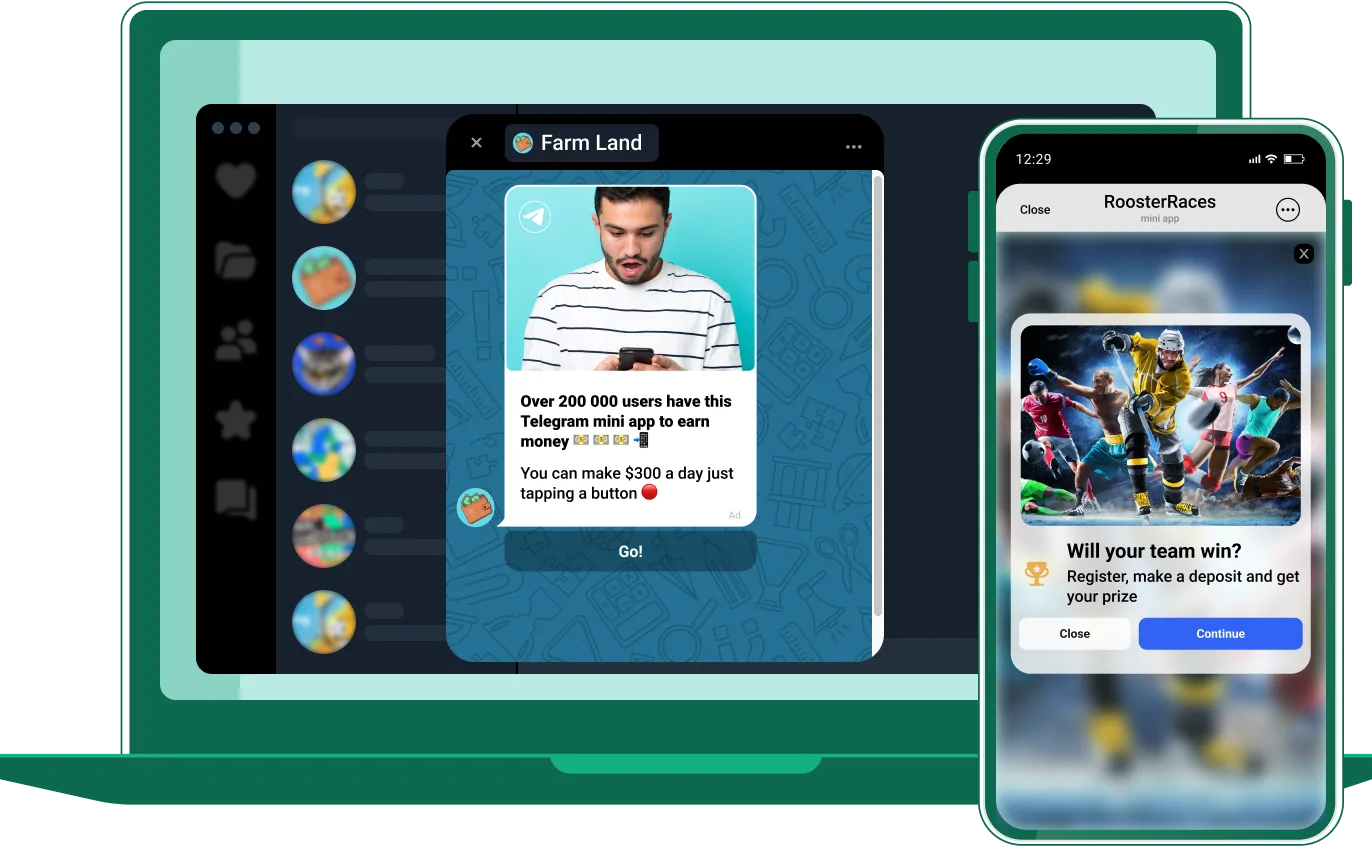
Review your app against Telegram’s latest guidelines for mini-apps. Ensure there is no misleading content, unauthorized payment processing, or content that violates community standards. Submit your bot and mini-app for any required reviews if you are using sensitive permissions.
Common questions about Telegram mini-apps
What are mini apps on Telegram?
Telegram mini-apps are web applications that run directly inside the Telegram messenger without requiring separate downloads or installations. They use standard web technologies like HTML, CSS, and JavaScript, allowing developers to build interactive experiences that feel native to the platform. For 2026, these tools are essential for creating lightweight, instant-access services ranging from e-commerce stores to productivity dashboards.
Are mini apps on Telegram safe?
Yes, mini apps are generally safe because they run within Telegram’s secure, sandboxed environment. The platform enforces strict security protocols, and users can verify the authenticity of an app through Telegram’s official verification system. However, as with any online service, it is wise to review the permissions requested by the mini-app before sharing sensitive data or making transactions.
What are some cool Telegram mini apps?
Popular Telegram mini-apps in 2026 span gaming, productivity, and Web3. Notable examples include Notion for document management, Pi Network for cryptocurrency mining, and various DeFi wallets that allow seamless asset management. These tools demonstrate the versatility of the platform, offering everything from casual games to serious financial utilities without leaving the chat interface.
No comments yet. Be the first to share your thoughts!