
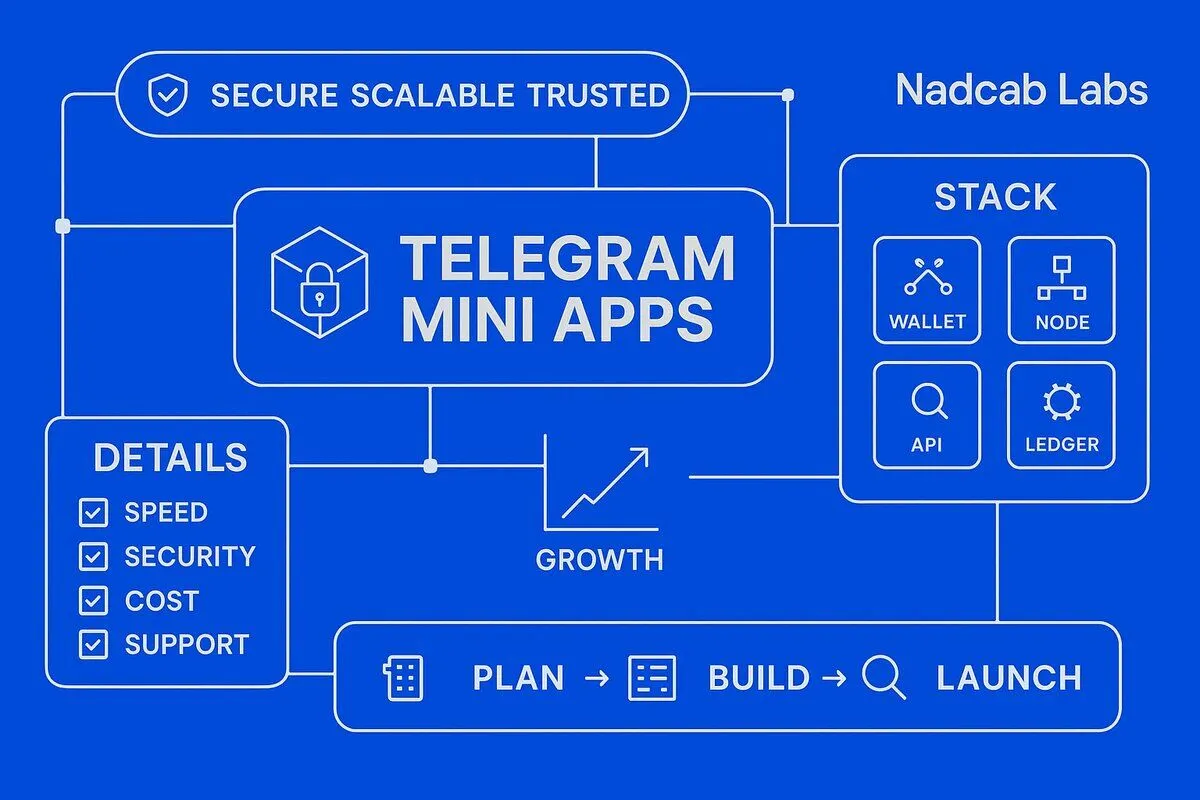
Why telegram mini-apps 2026 matter now
The initial wave of Telegram mini-app hype has cooled, but the revenue-generating potential has sharpened. While general interest has settled compared to the 2024-2025 period, specific high-ROI niches—particularly those built on the TON blockchain—are seeing consistent returns. Developers who chased viral trends without a monetization strategy are finding inconsistent results, but those focused on utility and crypto integration are thriving.
This shift marks a transition from user acquisition to revenue retention. Telegram’s 1 billion+ user base remains a powerful channel, but the friction of installing separate apps still exists. Mini-apps solve this by offering zero-install access to complex financial tools directly within the chat interface. This frictionless experience is critical for crypto products, where speed and accessibility drive adoption.
For developers, the focus has moved from building flashy interfaces to solving specific financial pain points. The most successful apps in 2026 are those that integrate seamlessly with Telegram’s native features, such as payments and notifications, while offering tangible value like yield generation or asset management. This isn't just about having a presence; it's about providing a functional, revenue-generating service that users return to daily.
Note: The market has cooled on generic mini-apps, but high-ROI niches like TON-based finance are seeing consistent returns. Focus on utility over viral mechanics.
The key to success in 2026 is leveraging Telegram’s ecosystem for low customer acquisition costs (CAC) while maintaining high engagement through crypto incentives. Developers who understand this balance are building sustainable businesses, not just temporary trends. The opportunity lies in the details: fast load times, intuitive crypto interactions, and clear value propositions that justify the user's time within the app.
5 Telegram Mini-Apps Driving Crypto Revenue in 2026
Telegram Mini-Apps have evolved from simple utilities into high-yield crypto revenue engines, with five specific platforms leading the charge in 2026. These applications leverage seamless in-app transactions to drive significant user adoption and financial volume. Below is a breakdown of the top 5 Telegram Mini-Apps Driving Crypto Revenue in 2026 based on current market data.
1. Hamster Kombat tap-to-earn mechanics
Hamster Kombat transforms passive scrolling into active mining through a streamlined tap-to-earn interface. Players upgrade virtual exchanges to increase hourly profit rates, creating a addictive loop of incremental progress. The app’s viral growth stems from its low barrier to entry and clear visual feedback on earnings, making crypto participation feel accessible rather than technical.

2. Blum hybrid exchange features
Blum distinguishes itself by integrating hybrid exchange capabilities directly within the Telegram environment. Users can swap tokens and provide liquidity without leaving the chat interface, reducing friction significantly. This seamless integration allows traders to capitalize on market movements instantly, leveraging Telegram’s notification system for real-time alerts and trade execution.

3. Notcoin community engagement model
Notcoin pioneered the social engagement model by rewarding users simply for tapping, later transitioning to a community-driven governance structure. Its success lies in gamifying participation, turning user attention into tangible value. The app fosters a sense of belonging through leaderboards and referral bonuses, encouraging organic growth and sustained daily activity among its massive user base.

4. Catizen strategy game revenue
Catizen merges strategy gameplay with crypto economics, requiring players to manage resources and compete in battles. Revenue is driven by in-game asset purchases and strategic upgrades, creating a sustainable economic loop. The game’s visual appeal and competitive leaderboards keep users engaged, while the underlying tokenomics reward active participation and long-term commitment to the ecosystem.

5. TapSwap social trading tools
TapSwap enhances the tap-to-earn genre by introducing social trading tools that allow users to share strategies and track peers. This feature adds a layer of community interaction, turning solitary tapping into a collaborative experience. By leveraging Telegram’s social graph, TapSwap encourages users to invite friends and compete for top spots, driving viral adoption and sustained engagement.

How these apps monetize users
The most successful Telegram Mini Apps for crypto don’t just offer utility; they operate as self-sustaining businesses. By embedding financial tools directly into a messaging platform with zero install friction, these apps bypass traditional customer acquisition costs. Instead, they rely on three distinct revenue engines: transaction fees, tokenomics, and targeted advertising.
Fee-based models
The most common monetization strategy for crypto tools is taking a small cut of every on-chain action. This model aligns the app’s success with user activity; the more users trade or swap, the more the platform earns. Apps like Blum and Hamster Kombat utilize this approach by charging a nominal fee for premium swaps or expedited transaction processing. This mirrors the fee structure of centralized exchanges but operates within the decentralized environment of Telegram. The revenue is transparent, predictable, and scales directly with network volume.
Token-based economies
Some platforms generate value through their native utility tokens, creating a circular economy. Notcoin pioneered this by converting user engagement into token value, which then drove liquidity and trading volume. Revenue here comes from listing fees, trading pairs, and ecosystem partnerships. Similarly, Catizen uses its token to govern the game and reward top players, ensuring that user retention drives token demand. This model is powerful because it turns users into stakeholders, but it requires careful economic design to avoid inflationary spirals.
Ad and partnership revenue
For apps with massive daily active users, advertising becomes a viable income stream. Telegram’s own ad platform allows Mini Apps to display native ads to their user base. While this model is less common among pure crypto tools due to brand safety concerns, it is increasingly used by gaming-integrated apps like Hamster Kombat. These apps may also earn revenue through referral programs, earning a commission when users sign up for linked exchanges or wallets.
| Revenue Model | Example App | How It Works |
|---|---|---|
| Fee-based | Blum | Charges small fees on premium swaps or expedited transactions. |
| Token-based | Notcoin | Generates value through native token trading, listing fees, and ecosystem partnerships. |
| Token-based | Catizen | Uses governance tokens to drive retention and reward players, increasing token demand. |
| Ad-based | Hamster Kombat | Displays native ads via Telegram’s platform and earns from referral partnerships. |


As an Amazon Associate, we may earn from qualifying purchases.
The Bottom Line: The best Telegram Mini Apps combine utility with sustainable monetization. Whether through small transaction fees, token incentives, or strategic advertising, these platforms are building robust businesses that benefit both users and developers.
Build your own Telegram Mini App
Creating a Telegram Mini App for 2026 is less about building a standalone mobile native experience and more about wrapping a secure, fast web application that lives inside the Telegram client. The architecture is straightforward: a frontend (React, Vue, or vanilla JS) communicates with a backend via standard REST or WebSocket APIs, while the Telegram SDK handles the UI integration and user identity.
The most critical technical decision is how you handle authentication and blockchain interactions. For crypto-focused apps, you must integrate TON Connect to manage wallet connections securely. Telegram provides an official SDK that simplifies passing user data and theme parameters to your web view, ensuring the app feels native. Always start by reviewing the official Telegram Mini Apps documentation to understand the supported launch methods and event handling.
Step 1: Set up the bot and web app structure
Begin by creating a bot via BotFather and initializing the Mini App URL. This URL points to your hosted web application. Ensure your backend is configured to handle HTTPS requests, as Telegram requires secure connections. Use the Telegram WebApp SDK to initialize the environment, which provides access to user details, theme settings, and expansion capabilities.
Step 2: Implement TON Connect for wallet integration
For any app aiming to drive crypto revenue, wallet connectivity is non-negotiable. Integrate the TON Connect SDK to allow users to connect their TON wallets (like Tonkeeper) directly within the Mini App. This enables seamless transaction signing and balance checks without leaving the Telegram interface. Security is paramount; never expose private keys or allow direct wallet access outside the signed transaction flow.
Step 3: Optimize UI/UX for the Telegram environment
Telegram Mini Apps have a specific viewport and UI component library. Use the Telegram.WebApp object to adapt your layout to the user's theme (dark or light mode) and handle safe areas for devices with notches. Keep interactions minimal and fast; users expect near-instant feedback. Avoid heavy animations that might lag on lower-end devices within the Telegram ecosystem.
Step 4: Test across launch contexts
Telegram supports multiple entry points for Mini Apps: profile buttons, keyboard buttons, inline buttons, and links. Test your app thoroughly in each context to ensure the initialization logic handles state correctly. For example, an inline button might open the app in a small sheet, while a profile button might expand it to full screen. Verify that your backend correctly validates the initData string provided by Telegram to prevent unauthorized access.
No comments yet. Be the first to share your thoughts!