
What are Telegram mini apps in 2026
Telegram mini apps are web experiences that run directly inside the Telegram messenger without requiring a separate installation. They function as lightweight websites embedded within the chat interface, offering native-like functionality with zero download time.
The platform supports seven distinct launch methods, from profile buttons to inline keyboard interactions [src-serp-1]. By 2026, the ecosystem has shifted significantly toward Web3 and TON blockchain integration, enabling direct crypto payments, NFT marketplaces, and token-gated features without leaving the Telegram environment.
Choose your mini app type
Telegram Mini Apps in 2026 fall into three distinct categories. Your choice determines whether you build a retention engine, a transactional tool, or a community hub.
| App Type | Dev Complexity | Monetization Model | User Retention |
|---|---|---|---|
| Gaming | Medium | In-app purchases, ads | High (daily active) |
| Utility | Low-Medium | Subscriptions, SaaS | Medium (task-based) |
| Web3/DeFi | High | Transaction fees, tokens | Low-Medium (event-driven) |
Gaming mini apps
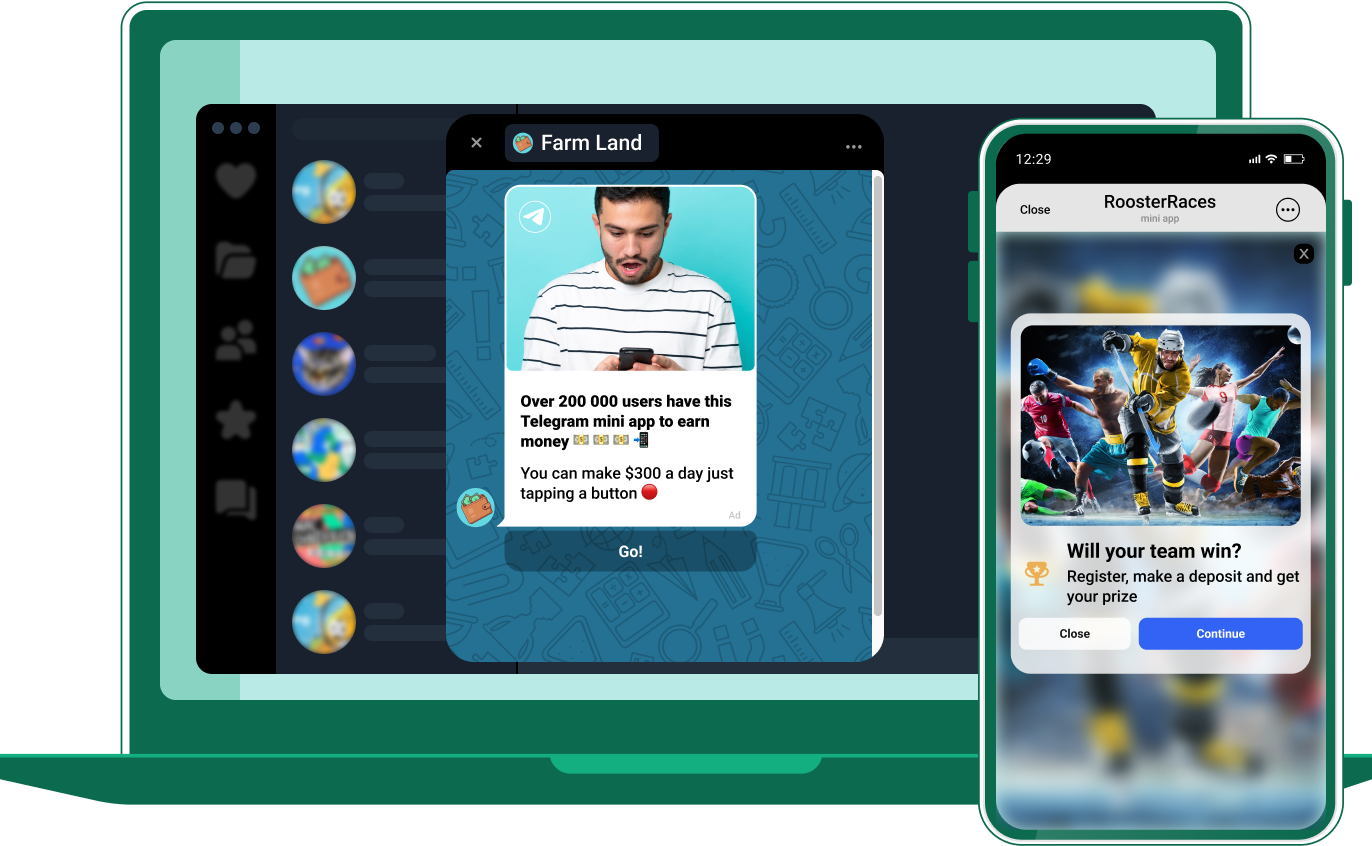
Gaming mini apps leverage Telegram’s social graph for virality, allowing users to invite friends directly into the game session. Monetization relies heavily on in-app purchases for power-ups or cosmetic items, supplemented by rewarded video ads. Development complexity is moderate because you can use standard game engines like Unity or Godot, exporting to WebAssembly for seamless integration.
Utility mini apps
Utility apps solve specific problems, such as file conversion, payment processing, or customer support. These apps often have lower initial engagement but higher lifetime value because users return to complete tasks. Monetization typically follows a subscription or freemium model. Development is straightforward, often requiring only a React or Vue frontend wrapped in a Telegram Web App SDK. The key advantage is zero install friction, which drastically reduces customer acquisition costs.
Web3 and DeFi mini apps
Web3 mini apps integrate blockchain wallets and smart contracts directly into the Telegram interface. They enable seamless crypto trading, NFT marketplace browsing, or staking without leaving the messenger. Development is complex due to security requirements and wallet integration. Monetization comes from transaction fees or token swaps. While retention can be lower unless tied to airdrops or staking rewards, these apps capture high-intent users ready to transact.
Set up the development environment
To build a Telegram Mini App, you need a working Telegram Bot and a hosting destination for your web interface. The Mini App is simply a website that Telegram loads inside its native interface.
Open Telegram and search for @BotFather. Send the /newbot command and follow the prompts to name your bot and generate a unique username. BotFather will immediately provide an HTTP API Token. Save this token in a secure environment variable; it authenticates your backend server with Telegram.
Telegram Mini Apps require a public HTTPS URL. You can host static files on services like Vercel, Netlify, or GitHub Pages. Ensure your web server responds to GET requests and serves a valid HTML document. Telegram validates that the URL is accessible and secure before allowing the Mini App to launch.
Return to BotFather and send the /newapp command. Select your existing bot from the list. BotFather will ask for a short name and a direct link to your hosted web application (the HTTPS URL from the previous step). Once confirmed, BotFather provides a direct link to launch the Mini App (e.g., t.me/yourbot/app). This link is what users will click to open your application.
Add the official Telegram WebApp SDK to your frontend code to enable communication between your web interface and the Telegram client. This script allows your app to read user data, handle theme colors, and trigger native actions like closing the app or expanding to full screen.
// index.html
<script src="https://telegram.org/js/telegram-web-app.js"></script>
In your JavaScript, initialize the SDK to ensure the app behaves correctly within the Telegram environment:
const tg = window.Telegram.WebApp;

tg.ready();
tg.expand(); // Expands the app to full height
Build the mini app interface
Designing the Telegram mini app interface means treating the web view as a native extension of the messenger. Users expect instant load times, familiar navigation, and seamless interaction with Telegram’s features.
Start by including the official WebApp SDK script in your HTML header. This script exposes the window.Telegram.WebApp object, which provides access to Telegram’s native UI methods, theme parameters, and user data.
Use CSS variables provided by Telegram to match the platform’s visual language. Accessing var(--tg-theme-bg-color), var(--tg-theme-text-color), and similar variables ensures your app automatically respects the user’s chosen theme (light, dark, or custom).
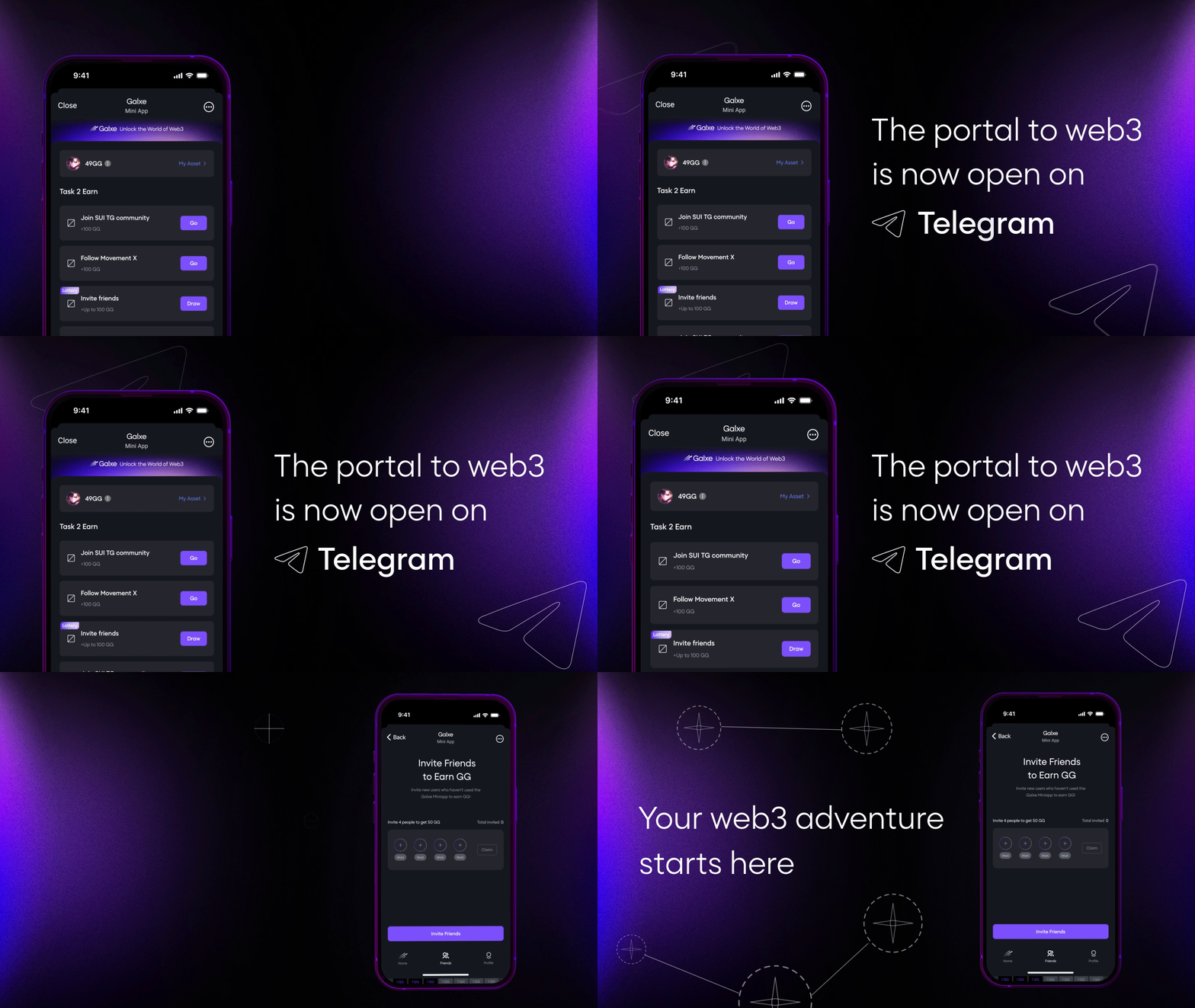
Implement event listeners for key user actions, such as the back button or main button clicks. The SDK allows you to customize the behavior of the native back button and the prominent main button at the bottom of the screen. Use Telegram.WebApp.MainButton to trigger primary actions like confirming a purchase or submitting a form.
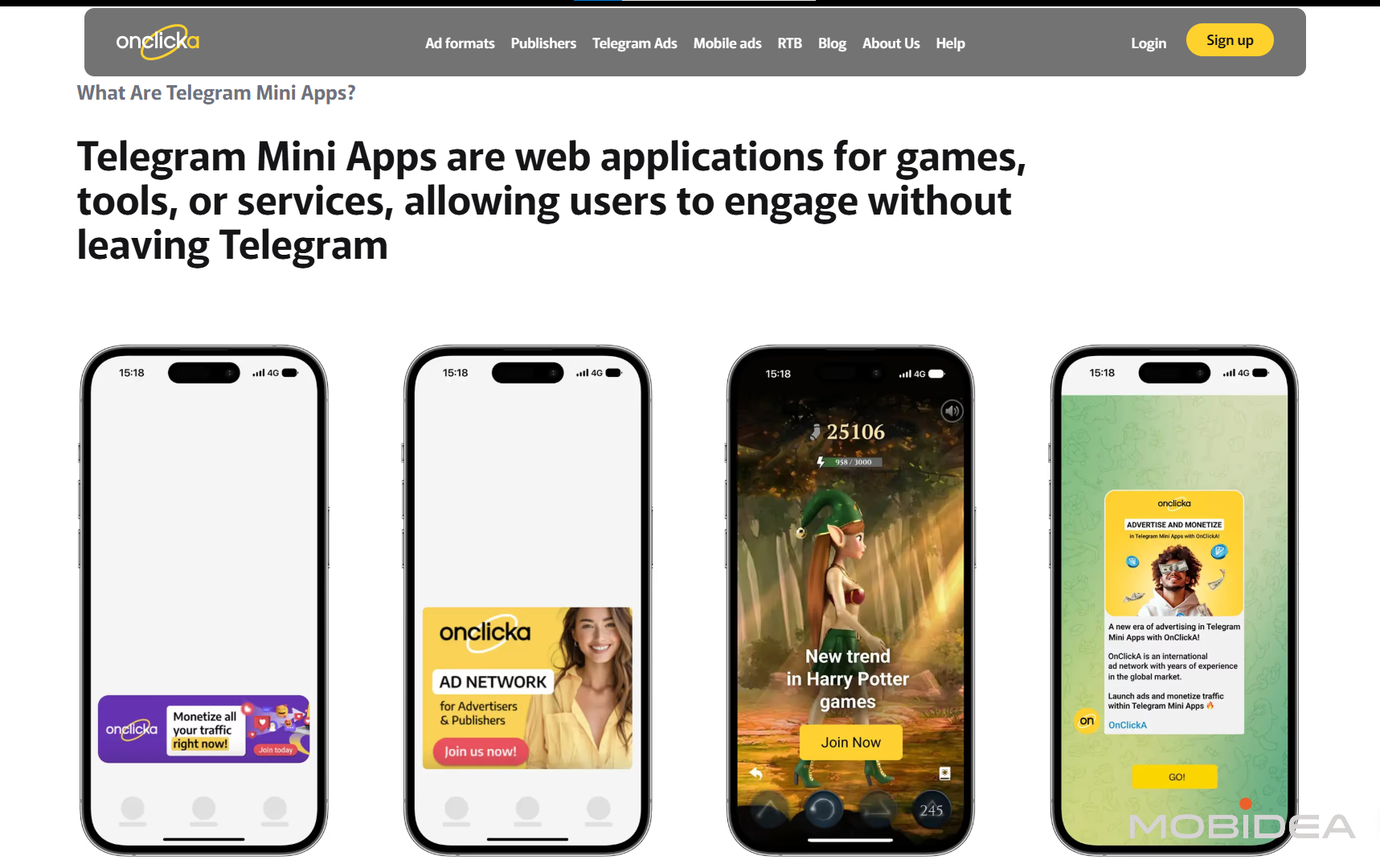
Ensure your layout is responsive and touch-friendly. Telegram mini apps are almost exclusively viewed on mobile devices. Use viewport meta tags to prevent unwanted zooming and ensure buttons are large enough for finger taps. Test your interface on both iOS and Android to account for differences in navigation bars and status bars.
Integrate TON and Web3 features
Connecting your Telegram Mini App to the TON blockchain unlocks native monetization and user ownership. By leveraging TON Connect, you allow users to sign transactions, pay for premium features, or claim NFT rewards without leaving the app interface.
Set up TON Connect SDK
Begin by installing the official TON Connect SDK in your project. This library handles the complex handshake between your Mini App and the user's TON wallet (such as Tonkeeper or Telegram Wallet). Import the necessary modules to initialize the connector and manage the wallet adapter state. Ensure you configure the manifest URL, which provides your app's metadata to the wallet during connection requests.
Implement Wallet Connection
Create a "Connect Wallet" button that triggers the TON Connect modal. When the user clicks this, the SDK opens their preferred wallet app to approve the connection. Handle the connected and disconnected events to update your UI state. Once connected, you can access the user's wallet address to personalize their experience or track their on-chain history within your app.
Execute On-Chain Transactions
With the wallet connected, you can initiate smart contract interactions. Use the SDK to build and send transactions, such as purchasing an in-app item or claiming a token reward. Always preview the transaction details in a confirmation modal before sending. This step ensures users understand gas fees and contract actions, reducing support tickets and failed transactions.
Handle NFTs and Token Rewards
For advanced features, integrate NFT minting or token distribution. Use the TON blockchain to verify ownership of specific assets or to distribute loyalty tokens. You can check NFT ownership directly from the smart contract to grant access to premium content. This approach creates a verifiable, trustless reward system that enhances user retention and engagement.
Test on the TON Testnet
Before launching, deploy your smart contracts to the TON Testnet. Use test TON coins to simulate transactions without risking real value. Verify that your Mini App correctly handles testnet wallet connections and transaction responses. This testing phase is critical for identifying edge cases, such as network delays or wallet rejection errors, ensuring a smooth launch on the mainnet.
Test and launch your mini app
Before making your Telegram Mini App public, you need to verify that the web view loads correctly, handles user input, and respects Telegram’s UI guidelines.
Open your Mini App in a local browser first to catch JavaScript errors and layout shifts. Then, use the Telegram BotFather’s built-in test environment to verify mobile responsiveness. Check that the back button, swipe gestures, and theme colors match the user’s native Telegram settings.
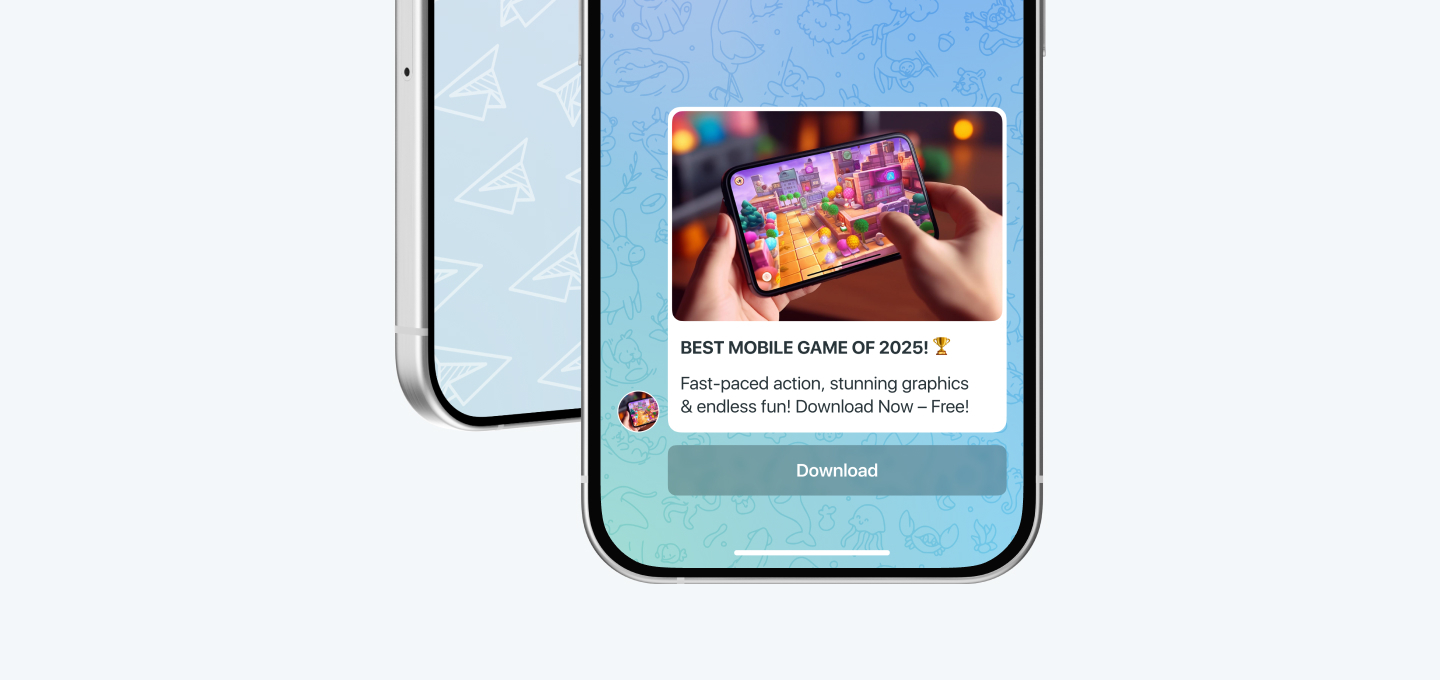
Audit your API calls to ensure they use HTTPS and validate all user data. Check that your Mini App only requests permissions it actually needs, such as location or contacts. Review your privacy policy URL in BotFather to ensure it clearly explains data handling.
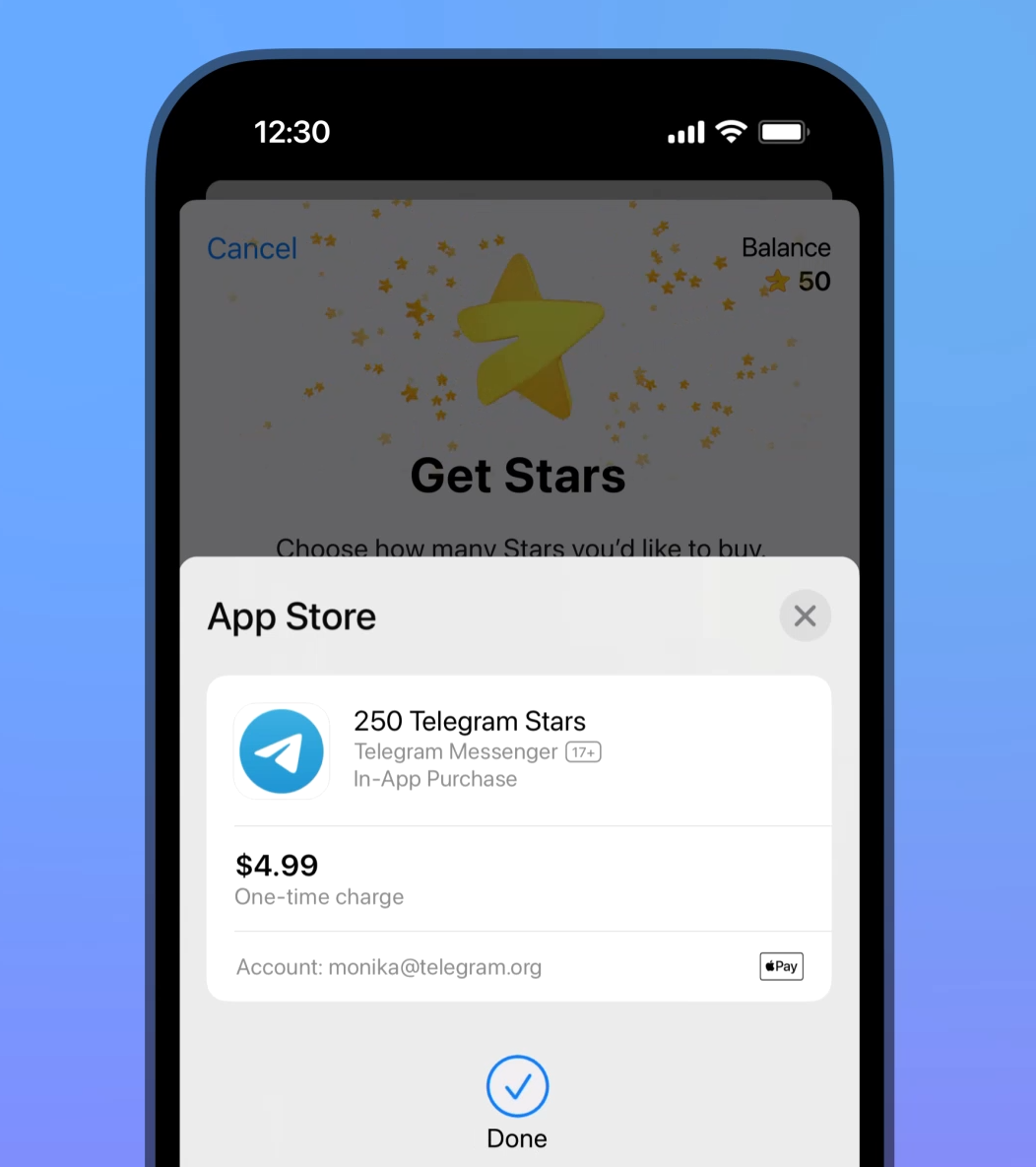
Use BotFather to set the web app URL and test the launch flow. Decide whether your app launches from a profile button, a keyboard button, or an inline button. Test each entry point to ensure the user experience is consistent regardless of how the app is triggered.
Once testing is complete, switch your Mini App from test mode to public mode. Update your bot’s description and menu buttons to reflect the new functionality. Share the link with a small group of beta users to gather final feedback before a full rollout.
-
Verify mobile responsiveness on iOS and Android
-
Check that all API calls use HTTPS
-
Confirm privacy policy URL is active
-
Test launch from different entry points
-
Ensure theme colors match Telegram settings
Pro Tip: Always test your Mini App on both iOS and Android devices. The WebKit engine on iOS can behave differently than Chrome on Android, especially regarding touch events and CSS rendering.
Your Mini App is now live. The final step is to monitor user feedback and analytics. Use Telegram’s built-in statistics or third-party tools to track engagement. Iterate based on real user data to improve retention and monetization over time.
No comments yet. Be the first to share your thoughts!